Angel and the Badman Review: A Gritty, Heartfelt Western Reimagining That Hits the Bullseye
Written by: Jay Heilman
Few genres in American cinema carry the mythic weight of the Western, and fewer names loom larger over the frontier than John Wayne. In 1947, “The Duke” did something unprecedented in his career: he took creative control and produced his very first feature film, Angel and the Badman, starring alongside Gail Russell. Growing up, I vividly remember watching that classic in black-and-white on VHS, captivated by its story of an outlaw disarmed not by gunfire, but by radical compassion and Quaker grace.
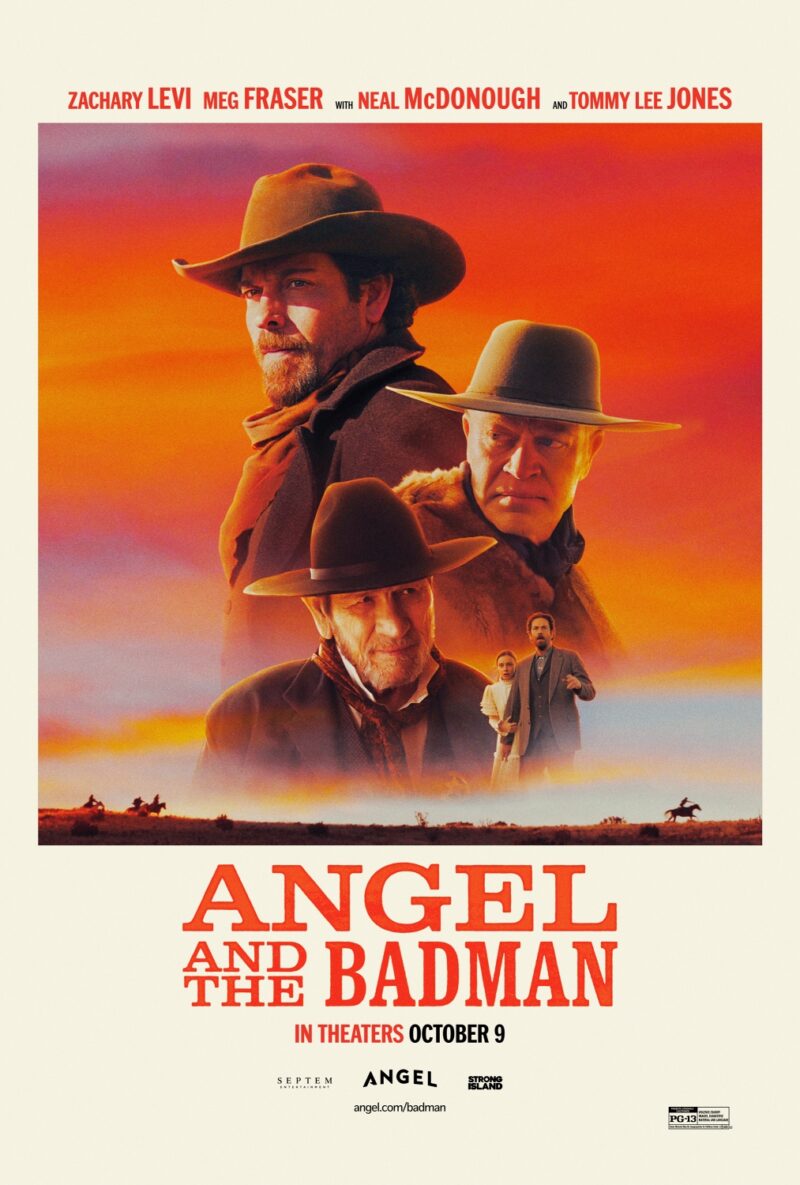
Nearly eight decades later, Angel Studios has stepped up to the hitching post with a bold, modernized reimagining of Angel and the Badman. The result? A gripping, visually rich Western that honors the legacy of Wayne’s vision while delivering the energy, humor, and depth modern audiences crave.
A New Kind of Quirt Evans
Stepping into boots once worn by John Wayne is no small feat, but Zachary Levi (Shazam!, American Underdog) brings a refreshing, deeply human energy to notorious gunslinger Quirt Evans. Where Wayne’s Quirt was defined by a stoic, quiet grit, Levi infuses the character with a wounded charm and sharp comedic timing that makes him instantly relatable.
In my recent interview with Zachary Levi and co-star Neal McDonough (Band of Brothers, The Last Rodeo), Levi shared a fascinating revelation: he deliberately avoided watching the 1947 original before filming. Out of immense reverence for Wayne’s iconic footprint on the genre, he didn’t want the Duke’s mannerisms subconsciously shaping his own. He wanted Quirt’s evolution—from hardened outlaw on the run to a man desperate for purpose—to emerge organically. That creative choice pays off in spades. Levi’s transition from a ruthless gunslinger to an unlikely hero carries genuine emotional weight.
🎥 Watch the full conversation: Check out our exclusive TCE/KB interview with Zachary Levi and Neal McDonough above to hear firsthand about bringing this frontier classic back to life.
Opposite Levi is Meg Fraser as Penny Worth, who brings warmth, resilience, and quiet strength to the titular “Angel.” Fraser grounds the film, providing the steady moral counterweight that challenges Quirt’s violent worldview at every turn.
A Stellar Frontier Ensemble
What truly elevates this reimagining into must-see territory is its phenomenal supporting cast:
-
Neal McDonough as Laredo Stevens: Anyone who has followed McDonough’s career knows he is Hollywood’s quintessential antagonist, and he crushes it here once again. Stevens’ ruthless pursuit of Quirt creates genuine, white-knuckle tension from start to finish. The irony, of course, is that McDonough is famously one of the kindest gentlemen in the industry off-camera, which only makes his menacing screen presence all the more impressive.
-
Tommy Lee Jones as the Marshal: In true cinematic form, screen legend Tommy Lee Jones commands every frame he occupies, lending classic frontier gravitas and weary wisdom to the role of lawman.
-
Jean Louisa Kelly: Many film buffs will fondly remember Kelly as the rebellious teen Tia in John Candy’s 80s comedy classic Uncle Buck. Here, she delivers a beautifully grounded, soulful performance.
-
Melissa Chambers as Grandma Harriet: Chambers nearly steals the scenes she’s in, delivering razor-sharp comedic timing and hilarious one-liners that cut right through the tension.
-
John Pyper-Ferguson & Barrett Ellis Luca: Rounding out the frontier community, Pyper-Ferguson brings strong, authentic grit as neighbor Frederick Carson, while young Barrett Ellis Luca delivers a touching, sincere performance as Johnny Worth.
Redemption, Grace, and the Power of Second Chances
At its core, Angel and the Badman is not just about shootouts and horseback chases; it’s an unapologetic story of redemption. Watching Quirt Evans wrestle between the violent cycle that defined his past and the promise of a peaceful future is deeply moving. It delivers a timely and timeless reminder: no matter how stained your past may be, grace, forgiveness, and renewal are always within reach.
Director Julio Quintana has utilized modern filmmaking techniques, crisp sound design, and sweeping cinematography to expand upon the 1947 blueprint, bringing the rugged beauty and brutal realities of the frontier into vivid focus.
Parents’ Guide & Content Advisory
Before saddling up with the whole family, parents should note that this is a gritty, realistic Western that firmly earns its PG-13 rating:
-
Violence: There is significant gunplay, intense brawling, and frontier violence throughout the film.
-
Language: While relatively mild compared to contemporary action films, it includes a handful of harsh words, including uses of “hell” and “whore.”
Because of the thematic intensity and visceral shootouts, this film is best suited for mature kids ages 12 and up, as well as teens and adults.
The Verdict
Whether you grew up on classic Wayne Westerns or simply love great storytelling driven by charismatic leads and high-stakes drama, Angel and the Badman delivers everything you want from the genre—and then some. It successfully bridges Hollywood’s golden age with contemporary filmmaking, proving that classic themes of love, faith, and redemption never go out of style.
Do yourself a favor: grab your popcorn and make the trek to theaters this October 9. You won’t want to miss this ride on the big screen!
4.5/5
🎥 Watch the theatrical trailer: Check out the theatrical trailer for Angel and the Badman above
Released: 10/9/2026 (Theatrically)
Running Time: 105 Minutes (Angel Studios)
Rated PG-13 for violence/bloody images, suggestive material and language.
Links for Angel and the Badman (2026):
Directed by: Julio Quintana
Starring: Zachary Levi, Neal McDonough, Tommy Lee Jones, Meg Fraser & Jean Louisa Kelly